-
SSD not detected or data inaccessible?
-
Speak with a recovery specialist 514-570-0775
-
In-lab evaluation. No obligation.
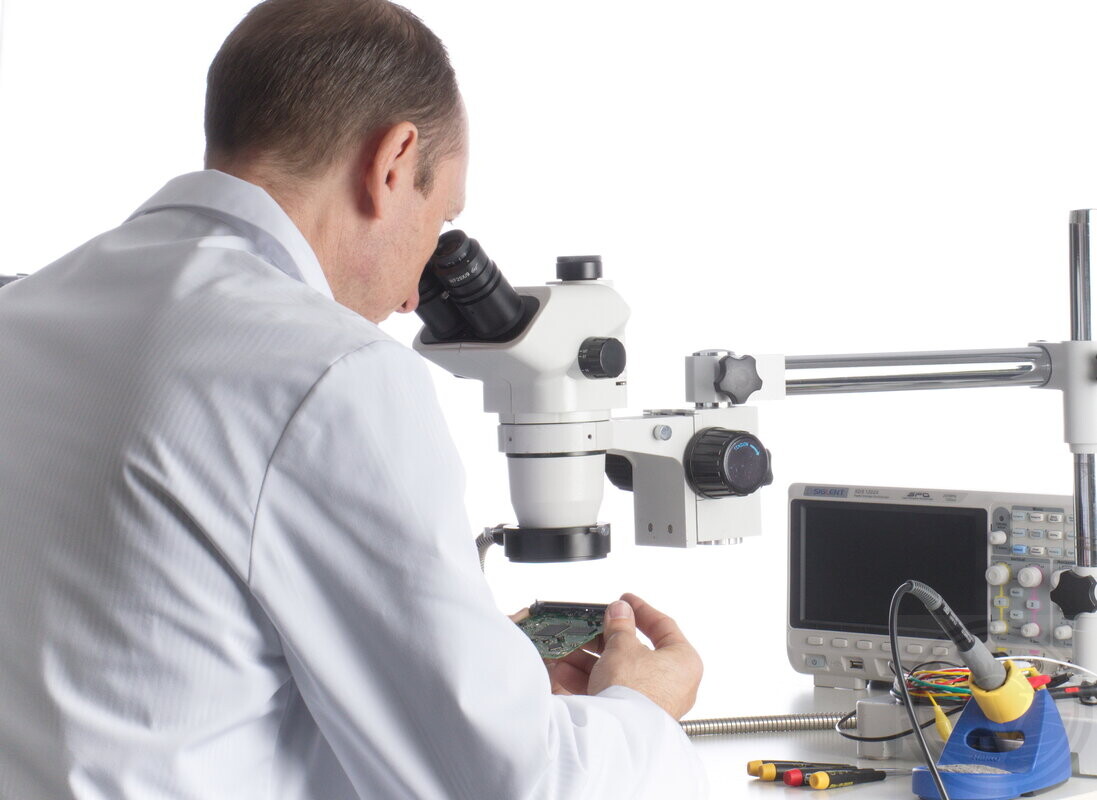
What happens after you request an evaluation
Evaluation → Quote → You decide
Evaluation does not commit you to recovery.
-
Handled in-house: Your drive never leaves our lab
-
Direct explanation: We explain what’s wrong and what can be done next.
Modern SSDs and NVMe drives run internal firmware processes that constantly reorganize stored data. After data deletion or system reinstallation, these processes can continue running and may overwrite recoverable areas.
If your SSD is not detected, repeatedly disconnects, or shows “0 MB” or “unallocated” — stop using it to prevent further data loss.
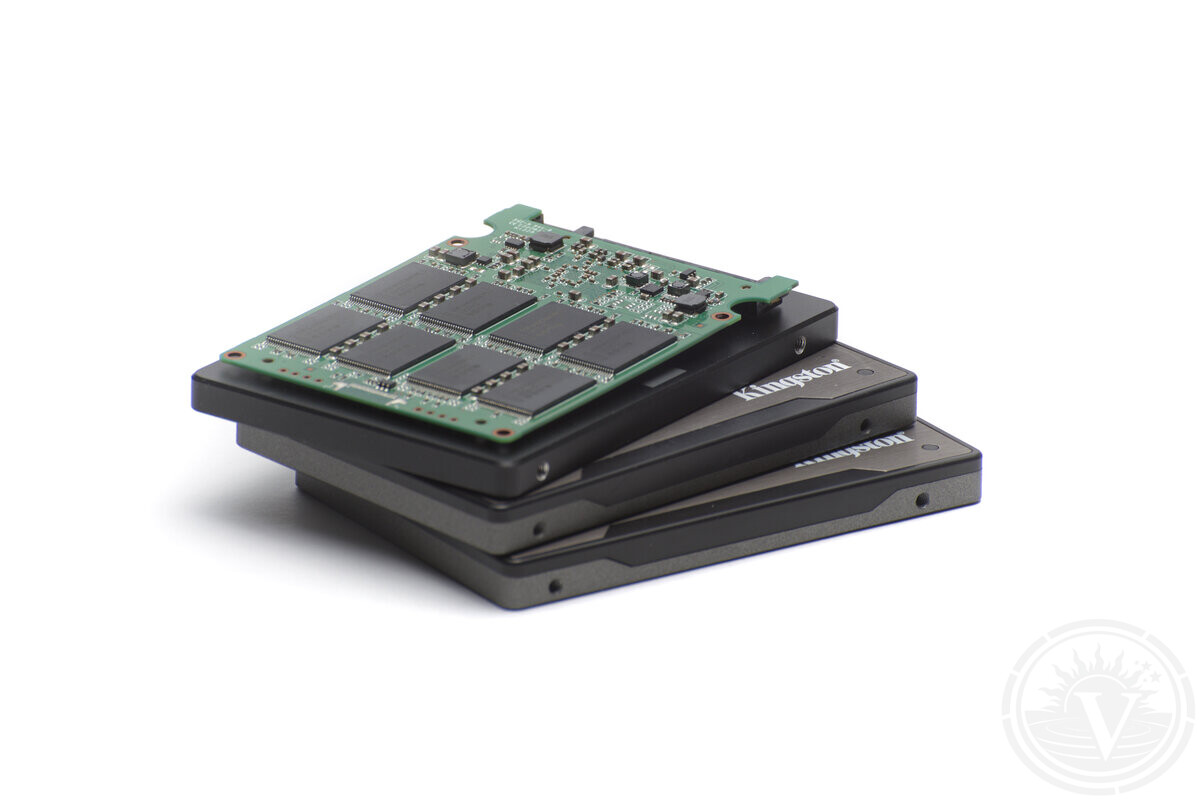
How SSD failures usually present
SSDs are often perceived as more reliable than hard drives. In practice, they fail differently — not less often. NAND endurance limits, firmware behavior, and controller logic determine recoverability after failure.
SSD failures often seem to happen without warning. In reality, issues at the controller or firmware level are the most common cause. Internal degradation or metadata corruption may have been developing quietly long before the failure becomes visible.
SSD not detected in BIOS or the operating system
Detected with “0 MB” or incorrect capacity
Freezing during access or sudden disconnects
File system corruption after a normal shutdown
These symptoms can look similar on the surface, but system messages alone can’t reveal what actually went wrong. That’s why evaluation always comes first. In our lab, we analyze the SSD to identify the underlying cause and explain which recovery options are technically realistic before any recovery work begins.
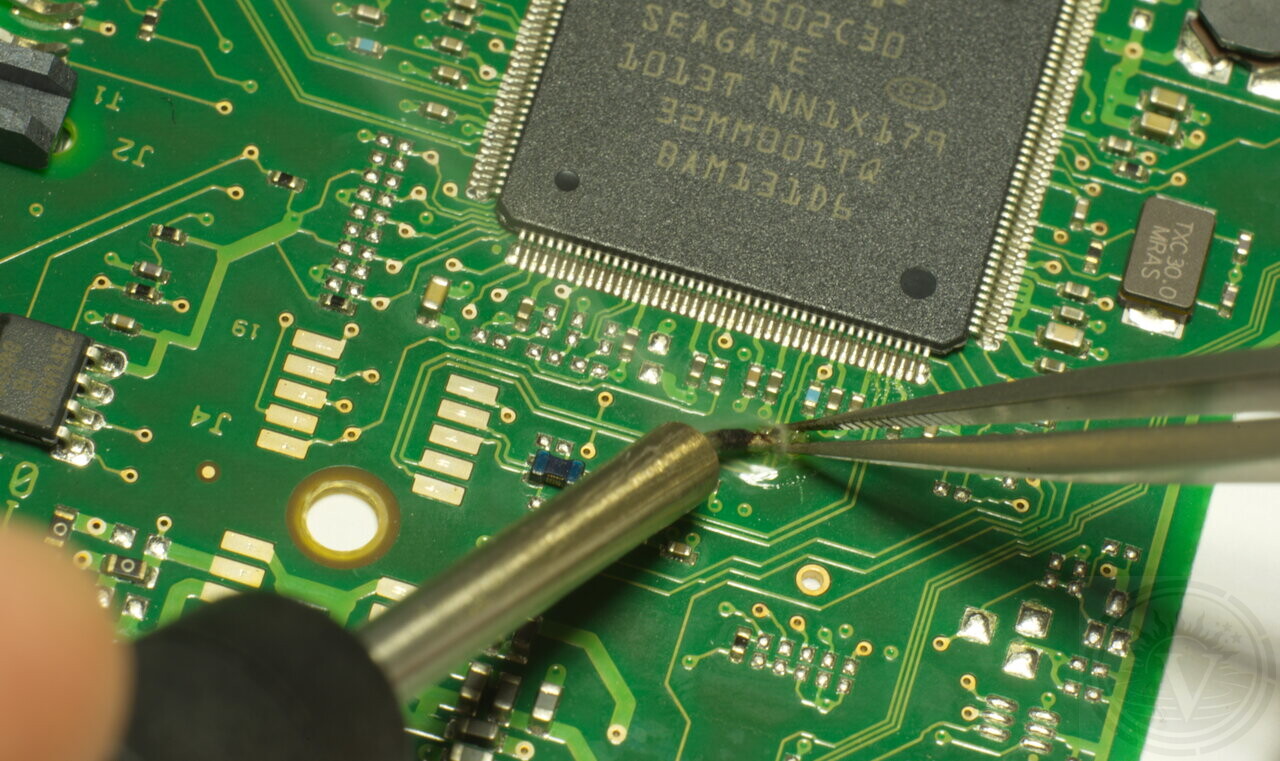
Before an SSD reaches a recovery lab
In many cases, an SSD has already been heavily accessed before professional recovery is considered. During this period, background cleanup, TRIM activity, and repeated power cycles continue to alter the internal data state.
Common examples include:
Multiple reboot attempts to “see if it comes back”
Running file system repair or automatic fix tools
Attempting firmware updates or resets
Repeated cloning or recovery software retries
The drive's initial failure symptoms don't matter anymore. What matters now is its current condition. Previous attempts don't dictate the outcome. Recovery success becomes clear only during the actual process.
What matters most is not how the failure first appeared, but the SSD’s current firmware state and flash condition at the moment recovery begins.
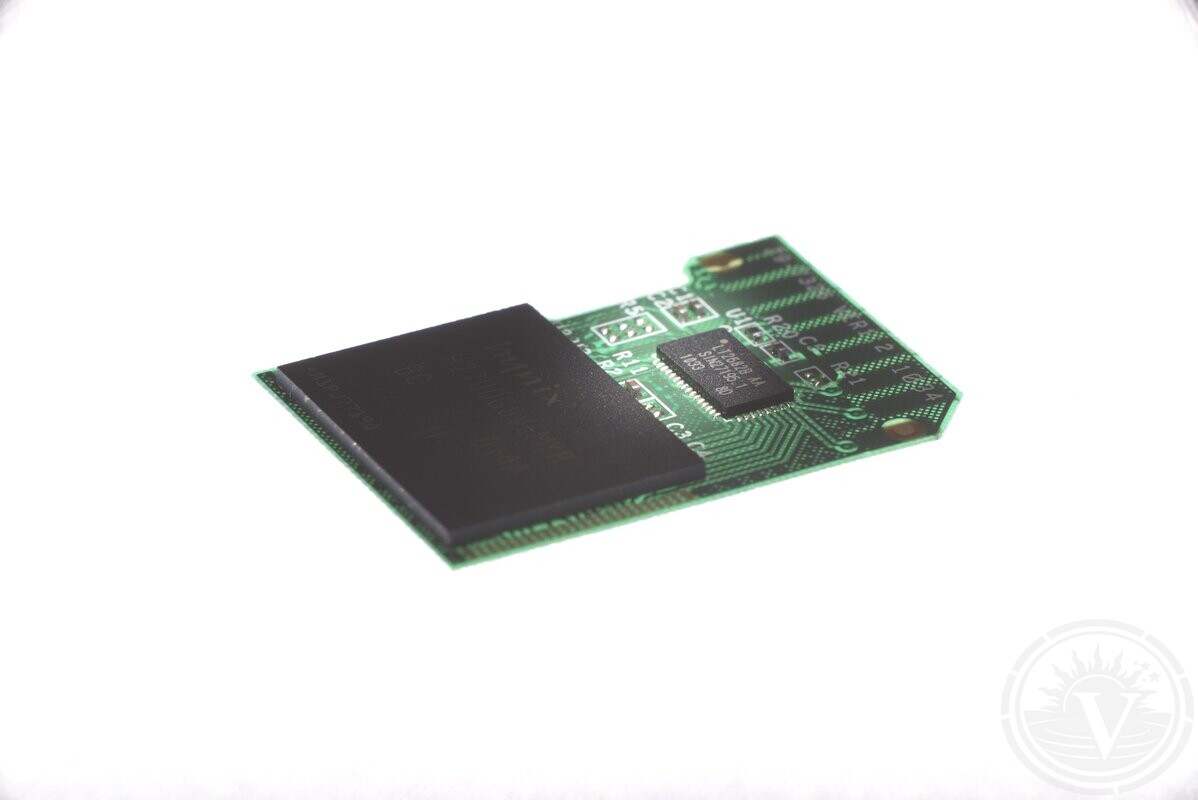
Why timing matters on SSDs
SSDs handle deleted data very differently from hard drives. When a file is removed, the controller doesn’t simply mark the space as free — it may flag flash blocks as disposable and schedule them for cleanup.
Two internal processes drive this behavior:
-
TRIM: The operating system tells the SSD which blocks are no longer needed
-
Garbage collection: The SSD reorganizes data and may permanently erase invalidated blocks
Once these processes run, deleted data may no longer exist in a readable form. That’s why timing is critical — the sooner recovery begins, the higher the chance that original data still remains intact.
Why SSD recovery requires lab handling
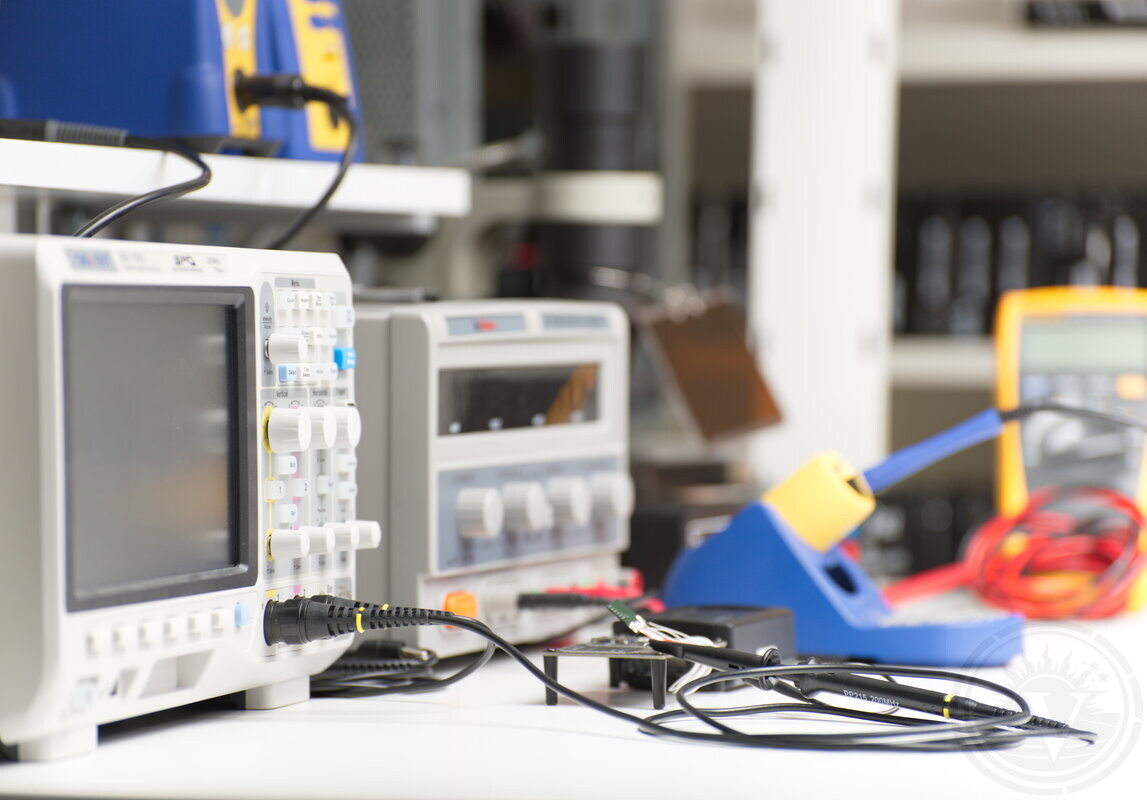
Modern SSD recovery is far more than just accessing files. It depends on how the controller and firmware manage data internally and on how the drive behaves once it becomes unstable.
An SSD may still be detected or briefly respond, but that doesn’t mean it’s safe to access. Unlike hard drives, SSDs actively modify their data in the background.
Each power-on or access attempt can trigger cleanup or remapping, which on an unstable drive may permanently erase recoverable data.
These internal actions are invisible to the operating system and cannot be stopped by user software. Safe handling requires controlled, laboratory-level access to the controller and internal structures.
Consumer recovery tools are designed for healthy drives. SSD recovery is about stabilizing and managing unpredictable hardware behavior.
What matters most is the drive’s current condition. What can actually be recovered becomes clear only during controlled lab recovery.
Evaluation comes first
Every recovery begins with evaluation — the moment your SSD arrives in our lab. We carefully inspect the device, run diagnostic checks, and determine what went wrong and what data can still be accessed.
During this stage, we identify whether the problem involves file structure, controller behavior, or hardware failure. This defines the recovery scope and what level of work may be required.
We regularly evaluate SSDs showing:
Device not detected or appearing intermittently
“No media”, “0 bytes”, or “unallocated” messages
Missing folders or suddenly empty drives
Failures after updates, crashes, or power loss
Extremely slow or freezing access
Electrical or power circuit damage
The evaluation explains what failed, what recovery may involve, and how much it will cost. Actual data results become clear only once recovery work begins.
After evaluation, we provide a fixed quote for the defined scope of work. No recovery starts without your approval. If recovery is not possible, there is no recovery fee.
What determines whether SSD recovery is possible
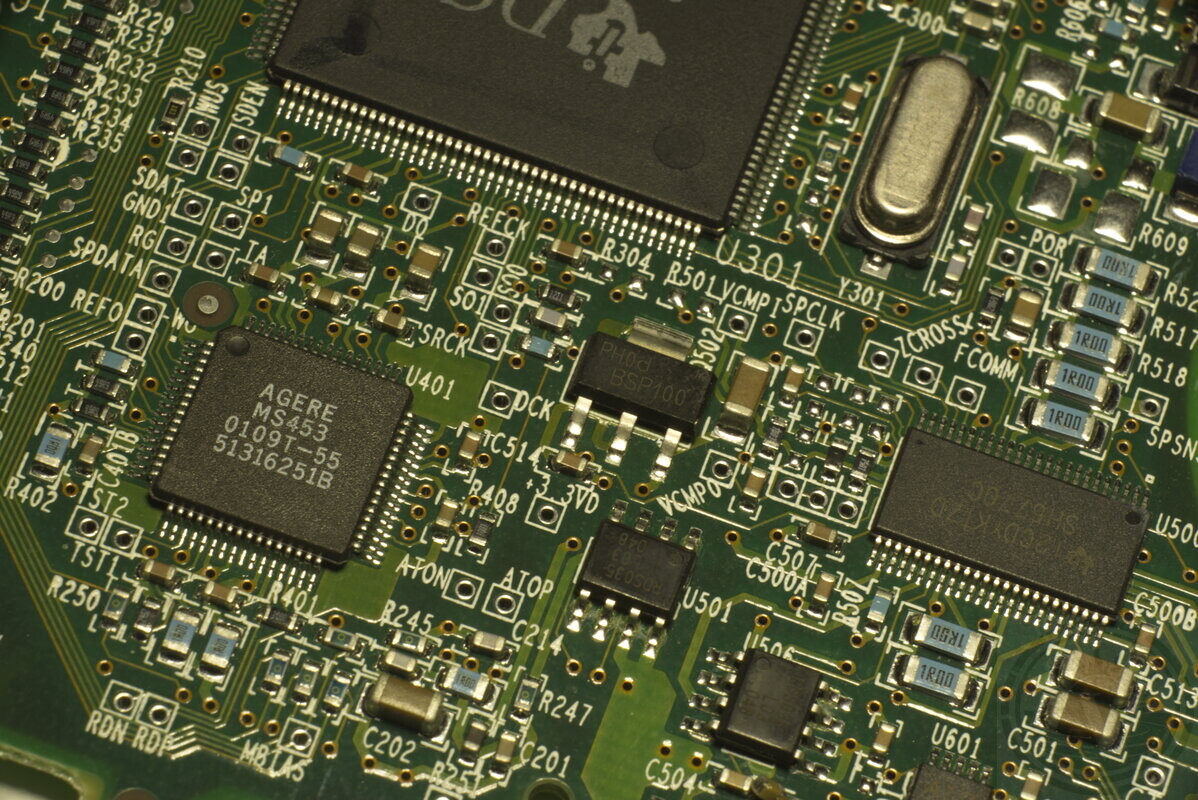
In practice, the feasibility of recovery depends on three key factors:
-
NAND wear and flash health: Whether the memory cells can still be read reliably or are degrading too quickly.
-
Firmware and translation layer condition: Whether the controller can still map data correctly and respond in a stable way.
-
TRIM and background cleanup activity: Whether data blocks were already invalidated or erased after the incident.
These conditions are not visible to the operating system. They can only be observed directly while the SSD is examined in a data recovery lab.
What recovery cannot promise in advance
Even in a controlled lab, SSD recovery outcomes cannot be predicted with certainty. Identical symptoms can stem from very different underlying issues — and those conditions may change once access begins.
For this reason, professional SSD recovery cannot guarantee in advance:
That all data can be recovered in every case.
That recovered files will be complete or entirely free of corruption.
That controller behavior will remain stable throughout access.
That a recovery timeline can be known before evaluation.
The actual outcome becomes clear only as recovery work progresses. With SSDs, everything depends on how the drive responds and what portions of data can still be physically extracted.
SSD Data Recovery Service in Montreal
How SSD recovery is performed
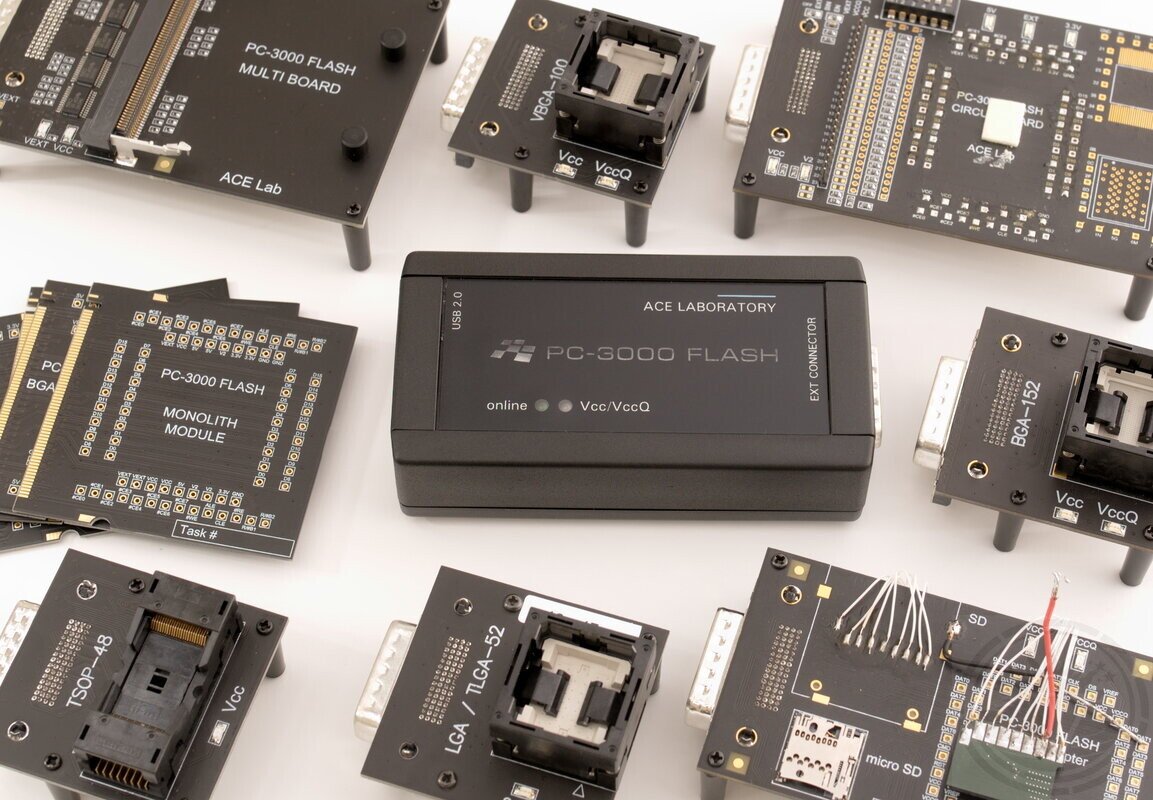
Our lab handles SSD recovery across controller, firmware, NAND flash, power management, and file system failure layers. This includes firmware-level access, translation layer and FTL reconstruction, NAND-level data extraction when required, power circuit and controller-related faults, encrypted volume handling, and file system reconstruction from verified images — all performed in-house using specialized SSD recovery hardware and controlled laboratory workflows.
Recovery begins only after evaluation confirms what actually failed. Evaluation defines the scope of work — recovery produces the result.
Once approved, the process starts by establishing direct access to the SSD. Modern drives continue internal background activity even when they appear idle, so that behavior must be limited or stopped.
The next step is imaging — creating a full or partial copy of the SSD. Once access is achieved, we extract all readable data, carefully monitoring how the drive responds. This approach captures recoverable information before further degradation occurs, preserving as much as possible.
Recovery continues as long as new readable data can be extracted and stops when additional attempts no longer produce meaningful progress. When imaging is complete, the required files and folders are identified and transferred to secure storage.
Recovered data is checked for basic integrity and structural consistency. A file list or representative directory structure is then prepared for your review.
You confirm that the required data has been restored. After confirmation, final payment is completed, and your recovered data is delivered on a new storage device.
If recovery was already attempted
Some SSDs arrive after one or more recovery attempts have been made elsewhere. This is fairly common and does not automatically mean the data is lost.
However, when an SSD has already been accessed by recovery software or another service, simple recoveries are rarely possible. These situations often move into the complex category.
Prior attempts can alter how the SSD behaves internally and affect the stability of any further access. For this reason, such cases are evaluated individually and handled with extra care.
Even if recovery was already attempted, the SSD can still be examined in the lab. We assess its current condition and explain what recovery options remain technically possible.
Data security and confidentiality
For many clients, the question is not only whether recovery is possible. It is also where the device is handled and who has access to the data.
Confidentiality is built into how we handle your SSD. Your device stays in our lab, and access is limited to the specialists working on your case.
In-house handling only — no third-party labs
Access limited to the recovery team assigned to your case
Data copies created only when required for recovery or verification
Recovered data returned to you and not retained longer than necessary unless requested
For cases with specific privacy or compliance requirements, handling conditions are discussed before recovery work begins.
SSDs we work with
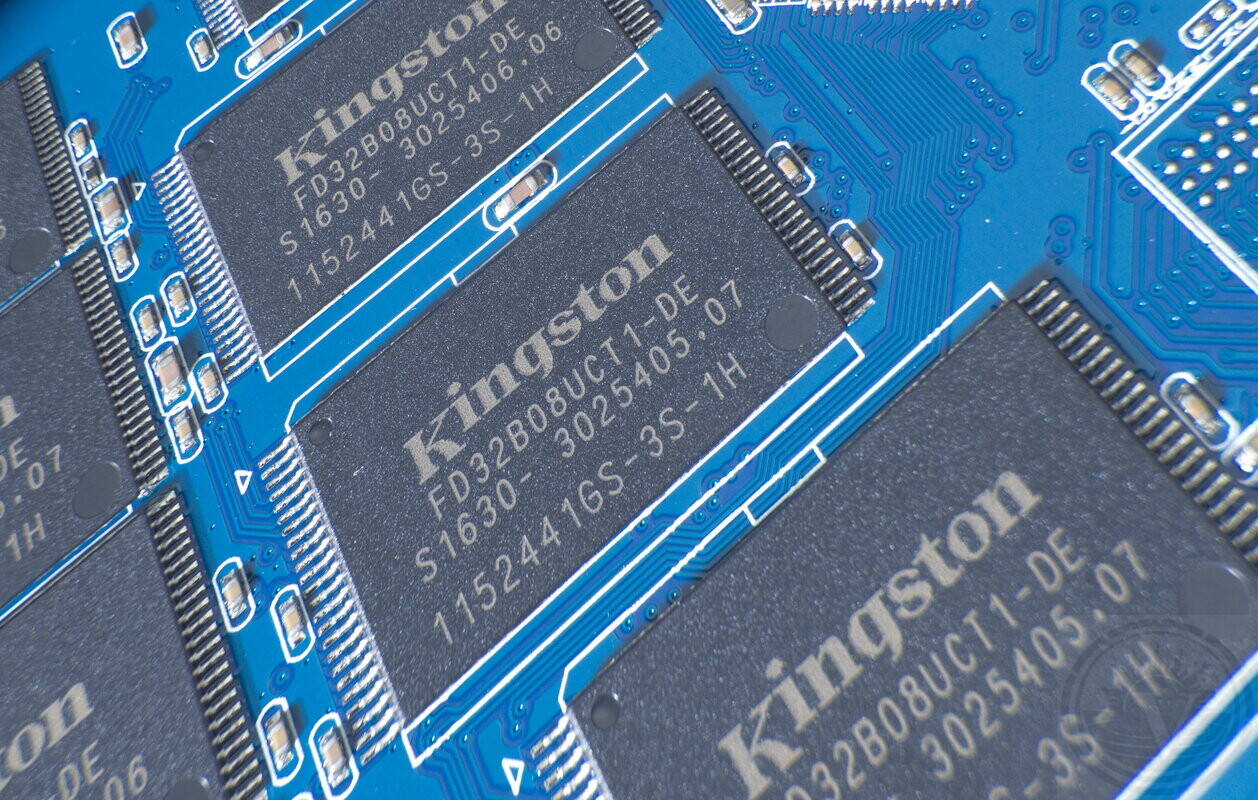
Unlike hard drives, which are produced by a few manufacturers with limited platform variation, the SSD market is highly fragmented. There are many brands, controller types, firmware versions, and flash configurations — each combination behaving differently under failure conditions.
This diversity means every SSD requires individual analysis. Even drives of the same model may exist in multiple hardware and firmware revisions. Understanding the specific configuration is essential to determine how the drive will respond during recovery.
We work with:
SATA SSDs (2.5" and mSATA) used in laptops, desktops, and servers
NVMe SSDs (M.2 and PCIe) found in modern laptops, workstations, and desktops
External and portable SSDs connected via USB, commonly used for backups and transport
Common brands include Samsung, Western Digital, Crucial, Kingston, SanDisk, and Seagate.
What affects recovery cost
An SSD may be physically small and appear simple, but in reality, it is a highly sophisticated device. Working with it requires deep technical knowledge, experience, and time.
The final price is set after the drive is evaluated. It reflects the specific work, including any preparation necessary before data reading can begin.
In practice, the cost is influenced by:
Controller behavior and firmware condition
Flash memory stability and read reliability
Encryption and translation layer complexity
Stabilization and preparation work prior to data extraction
After evaluation, we explain what the recovery will involve and provide a clear, detailed quote. You decide whether to proceed, and payment is made only after you’ve verified the recovered data.
Every SSD case is unique. Pricing reflects the technical effort required to ensure recovery remains controlled, reliable, and realistic.
What happens next
The data recovery process is simple:
-
Bring the drive in or ship it to our lab.
-
In-lab evaluation to understand the problem and what recovery may require.
-
A quote is provided before you decide whether to proceed.
-
The work starts only with approval. Recovered data is returned on a new storage device.
Professional recovery starts with evaluation
Operational track record
-
Operating since 2003: Continuous in-lab data recovery operations in Montreal.
-
Devices processed: Thousands of HDD, SSD, RAID, and flash devices evaluated and recovered.
-
In-house laboratory only: All work performed locally in our Montreal lab.
-
No outsourcing policy: Devices are not sent to third-party facilities.
Trusted on Google.


How to Get Started
Please fill out our Request Evaluation form first. Then drop off your device at our Montreal lab in NDG, or send it via Purolator or Canada Post.
Most evaluations are completed within 24 hours. After evaluation, we explain what failed, what recovery may involve, and provide a fixed quote. Then you decide how to proceed. What can be recovered becomes clear during recovery.
Request Evaluation